

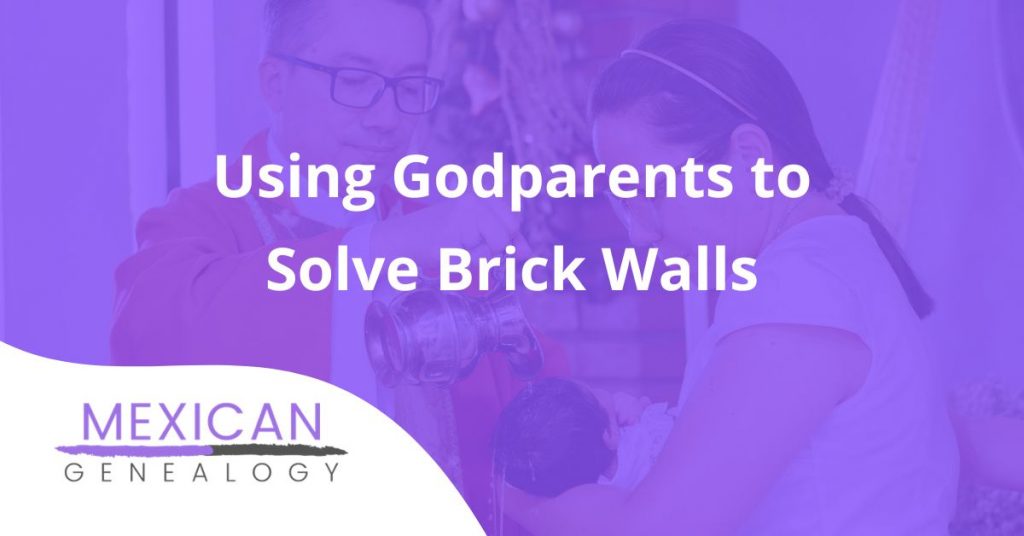

When building your family tree, it’s easy to focus on just the main players—parents, grandparents, great-grandparents. But there’s one group of people who often appear in historical records and can quietly lead you to major breakthroughs: padrinos and madrinas (godparents).
In Mexican genealogy, godparents are not just religious figures—they’re social clues. Understanding their role and how to trace them can help you uncover extended family members, prove kinship links, and even identify unknown ancestors.
What Are Padrinos and Madrinas?
In traditional Mexican Catholic culture, godparents are chosen during key sacraments, especially:
-
Baptism (bautismo)
-
Confirmation (confirmación)
-
Marriage (matrimonio)
Padrinos and madrinas are responsible for the spiritual and sometimes material well-being of the individual being baptized or married. These choices were not made lightly—godparents were often trusted relatives, close family friends, or social allies.
Why Godparents Matter in Genealogy
Godparents appear frequently in Mexican Catholic church records, which are a cornerstone of genealogical research—especially before civil registration began in 1859. When a child is baptized, the church record typically includes:
-
Name of the child
-
Parents’ full names
-
Date and location of the baptism
-
Names of the padrino and madrina
These names might seem like footnotes—but they’re gold mines of genealogical information.
Here’s Why:
-
They’re often close relatives: Godparents were frequently siblings, aunts, uncles, cousins, or even grandparents of the child.
-
They can help confirm family ties: If you suspect two people were siblings or part of the same extended family, seeing one act as godparent to the other’s child supports that theory.
-
They can lead you to collateral lines: Researching the godparents’ families can open up entirely new branches in your tree.
-
They show social networks: Understanding who was chosen as a padrino or madrina can reveal the social alliances and status of your ancestors.
Examples from Real Research
Example 1: Confirming a Mother’s Maiden Name
Let’s say you find a baptismal record for a child named Pedro López in 1798 in Mier, Tamaulipas. The record lists:
Padres: Juan López y María Francisca
Padrinos: Antonio García y Josefa Olivares
You suspect Maria Francisca’s maiden name might be Olivares. Since Josefa Olivares is named as madrina, and the tradition was to choose a relative (especially from the maternal side), this could support your theory. Further research might reveal Josefa as María’s sister or aunt—confirming the Olivares line.
Example 2: Linking Two Generations
In some cases, godparents reappear across generations. For example:
-
A grandfather might act as padrino for his grandchild.
-
A cousin might be named godparent, then later appears in land or will documents alongside your ancestor.
-
A compadre (the term for a co-parent or godparent in Spanish) might serve as executor of a will or witness to a marriage.
Tracking these relationships can show long-term family or community connections.
How to Find and Use Godparent Information
1. Look at Baptismal Records First
Search Catholic baptismal records for the town or parish where your ancestors lived. Most records follow a consistent structure and include godparents.
📍 Tip: Use FamilySearch.org or the local parish archive. Church records from the 1600s to 1900s are widely available.
2. Extract and Record Godparent Names
Even if you’re not sure who they are, extract the names of godparents and add them to your notes or research log.
Create a “Godparent Index” for each family you’re researching.
3. Search for Godparents as Primary Subjects
Once you have a list of padrinos and madrinas:
-
Look them up in marriage or death records
-
See if they appear as godparents for other children in the same family
-
Check if they appear in land, will, or census records in the same area
4. Use Naming Patterns
In many families, children are named after their godparents. If you see a repetition of names, it could indicate that the person was named in honor of a madrina or padrino. This is another subtle clue to deepen your research.
Important Cultural Context
In 18th and 19th-century Mexico, being chosen as a padrino or madrina was both a religious honor and a social alliance. Wealthier families might choose prominent figures from the community or family leaders as godparents to forge stronger ties.
In some cases, padrinos were not relatives at all—but were chosen for political, economic, or community reasons. This is especially true in hacienda or military communities.
Final Thoughts: Don’t Overlook the Clues in the Margins
The names of padrinos and madrinas may seem like background details, but in Mexican genealogy, they’re powerful connectors. These individuals often provide:
-
Indirect evidence of family relationships
-
Links between generations
-
New leads when direct lines run dry
So next time you’re scanning a church record, don’t just focus on the parents—zoom in on those godparents. They might be the key to breaking down your next genealogical brick wall.
Ready to Dig Deeper?
Create a simple spreadsheet or log to track every padrino and madrina you come across in your research. Over time, patterns will emerge—and with them, new ancestors.
📝 Have you ever solved a genealogy puzzle using godparent clues? Share your experience in the comments!


I just did exactly this a few weeks ago while researching a blank smooth wall (not even a brick!) and it opened up some very important information. This is excellent advice for any community with close-knit ties.